

 中
中 英
英



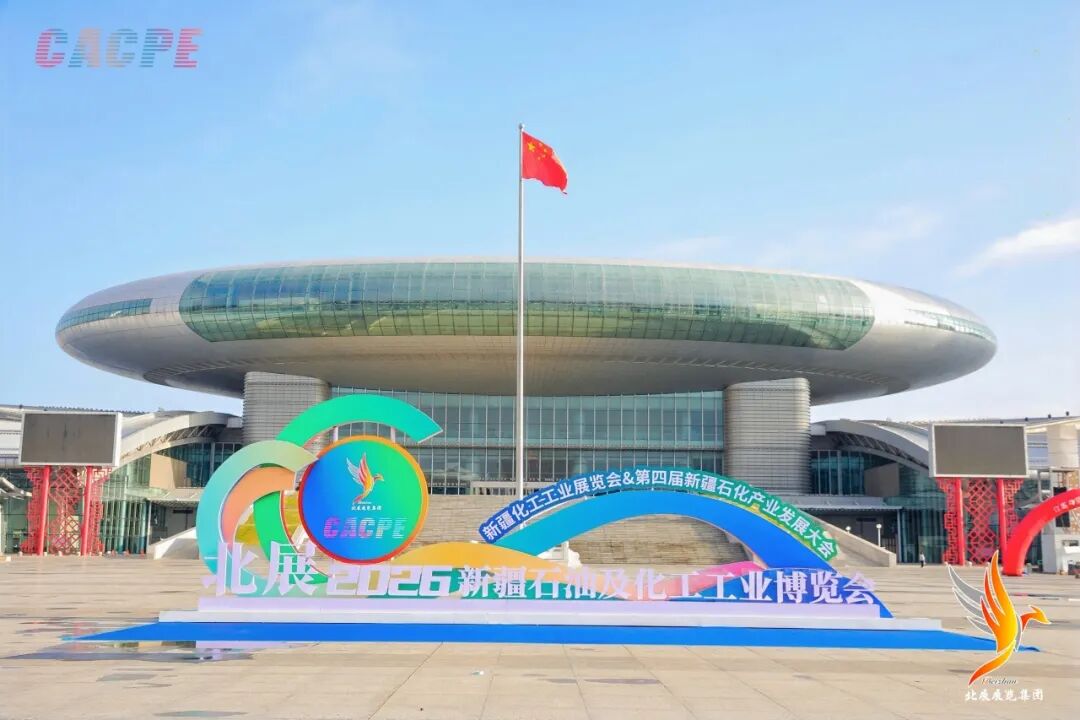
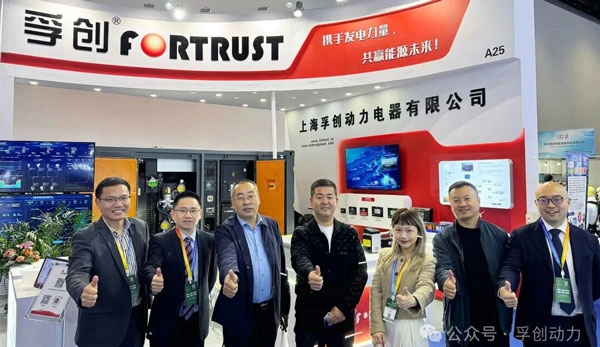
How Can Remote Oilfields Cut Diesel Costs by 15–30%? Fortrust's Answer at the Xinjiang Petroleum & Chemical Expo 2026
News and Exhibitions
2026.09.19


When multiple generator sets need to operate together, synchronization is one of the most important factors affecting power stability, equipment protection, and operating efficiency. A parallel intelligent terminal coordinates generator voltage, frequency, phase angle, and operating conditions before generators are connected to a common bus. This allows automatic synchronization to take place with greater control and consistency, reducing the risks associated with incorrect paralleling.
For generator manufacturers, power equipment integrators, and industrial power users, the value of an automatic generator synchronization controller goes beyond simply connecting generators. It must coordinate several electrical and engine-related signals while responding quickly to changing operating conditions. A properly designed generator parallel controller therefore provides a central point for synchronization, load management, protection, measurement, and communication.
The synchronization process requires the generator output to closely match the electrical characteristics of the bus before connection. The controller continuously monitors parameters such as voltage, frequency, and phase relationship, then coordinates the governor and automatic voltage regulator to bring the generator into an acceptable synchronization range.
A parallel generator controller can automatically manage this process instead of relying on repeated manual adjustments. Once synchronization conditions are satisfied, the generator can be connected to the bus under controlled conditions. This approach helps minimize electrical transients and provides more consistent generator paralleling during changing load requirements.
Voltage and frequency differences can create significant electrical stress if a generator is connected before synchronization is achieved. A dedicated intelligent terminal evaluates these conditions continuously and makes corresponding control adjustments. By coordinating governor and AVR functions, the controller helps maintain the electrical relationship required for safe generator synchronization.
This capability is particularly important for automatic genset synchronization, where multiple generator sets may need to start, synchronize, and share power without continuous operator intervention. Accurate measurement and responsive control provide the foundation for stable parallel operation.
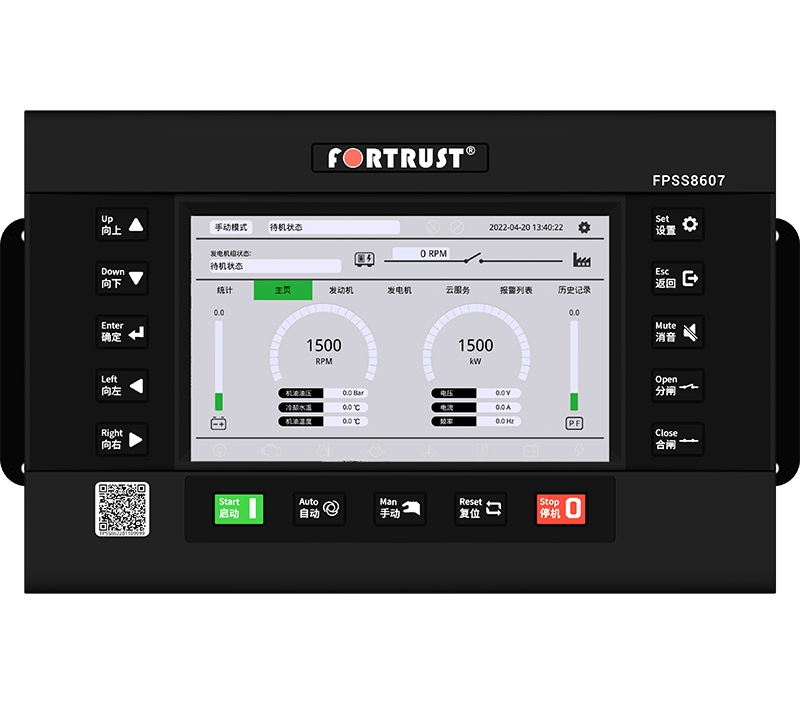
Synchronization is only the beginning of successful generator paralleling. After generators are connected, the available electrical load needs to be distributed appropriately among the operating units. Uneven load distribution can cause one generator to operate unnecessarily close to its capacity while another remains lightly loaded.
A generator load sharing controller helps coordinate generator output according to the operating requirements of the connected units. Active power and reactive power management can be coordinated through governor and AVR control, allowing multiple generators to contribute to the total demand more effectively. This improves operational flexibility when load conditions change throughout the working period.
| Control Function | Main Purpose |
|---|---|
| Automatic synchronization | Matches generator and bus electrical conditions |
| Load sharing | Distributes demand among parallel generators |
| Voltage regulation | Supports stable generator output |
| Frequency control | Coordinates generator speed and frequency |
| Fault monitoring | Identifies abnormal operating conditions |
| Communication | Connects generator data with monitoring equipment |
Parallel operation introduces additional protection requirements because a fault in one generator can affect the common bus and other connected units. An intelligent generator terminal continuously monitors operating conditions and can identify abnormal states that require corrective action.
When a serious generator fault occurs, the affected unit can be separated from the bus and stopped according to the configured protection logic. This helps prevent a single generator problem from unnecessarily disrupting other operating units. For automatic generator paralleling, coordinated fault handling is therefore an important part of maintaining dependable power availability.
Modern generator sets often contain electronic engine control units that provide important operating information through CAN-based communication. A generator controller with J1939 communication can exchange information with compatible engine ECUs, allowing engine-related data to be incorporated into generator control and monitoring.
This communication capability reduces the need to treat engine and electrical information as completely separate data sources. Parameters from the engine can be monitored together with generator voltage, current, frequency, and other electrical measurements. For OEM generator manufacturers and control panel integrators, this provides a more coordinated approach to genset management.
A capable genset controller should not only react to current operating conditions but also help engineers understand what happened when an abnormal event occurs. Parameter recording and historical information can provide useful insight into generator starting, synchronization, faults, and changing operating conditions.
Waveform monitoring can also support deeper analysis of voltage quality and harmonic behavior. Recording important parameters around startup or fault events gives maintenance teams more information for troubleshooting than a simple alarm indication. This makes the intelligent terminal useful for both daily operation and technical diagnostics.
As generator installations become more distributed, remote access can reduce the need for technicians to remain physically beside the control panel. An intelligent terminal equipped with suitable communication capabilities can transmit operating information for remote monitoring and support parameter management.
For remote generator monitoring, users can benefit from centralized access to operating conditions, alarms, historical information, and maintenance-related data. Network connectivity is particularly valuable when generator sets are installed at different locations or when operators need to supervise equipment without continuous on-site attendance.
Choosing a parallel intelligent terminal should begin with the required generator configuration rather than simply comparing individual hardware specifications. The number of generators, electrical configuration, engine communication requirements, synchronization method, load-sharing strategy, protection functions, and remote communication requirements all influence the appropriate controller architecture.
The controller should also provide sufficient input and output capability for the intended generator panel. Flexible AC measurement, digital inputs, relay outputs, analog inputs, RS485 communication, USB programming, and optional network connectivity can simplify integration with different generator configurations. Operating temperature and supply-voltage compatibility should also be considered when equipment is intended for demanding industrial environments.
For international generator projects, language support, communication interfaces, configuration flexibility, and long-term serviceability can be just as important as core synchronization performance. A controller intended for OEM production should be practical to configure and integrate into different generator panel designs.
Fortrust focuses on intelligent generator control solutions that combine synchronization, load sharing, monitoring, protection, and communication functions in one control platform. This integrated approach can help generator manufacturers and power equipment integrators develop more capable automatic generator synchronization controllers while reducing the complexity of coordinating separate control devices.
A parallel intelligent terminal is a generator control device designed to coordinate synchronization, paralleling, load sharing, monitoring, protection, and related communication functions when one or more generator sets operate together.
The controller compares the generator's voltage, frequency, and phase relationship with the bus and coordinates governor and AVR adjustments before allowing the generator to connect. This helps achieve controlled and stable paralleling.
Yes. A suitable multi genset controller can coordinate multiple generator sets operating in parallel, including synchronization and load-sharing functions, depending on the configured application.
J1939 enables compatible electronic engine control units to exchange operating information with the generator controller. This allows engine data to be incorporated into broader generator monitoring and control functions.
Synchronization determines whether a generator can safely connect to the common bus, while load sharing determines how the connected generators distribute the electrical demand after paralleling.
With suitable communication hardware and network connectivity, an intelligent generator controller can provide remote access to operating data, alarms, parameters, and historical information for centralized equipment management.