

 中
中 英
英



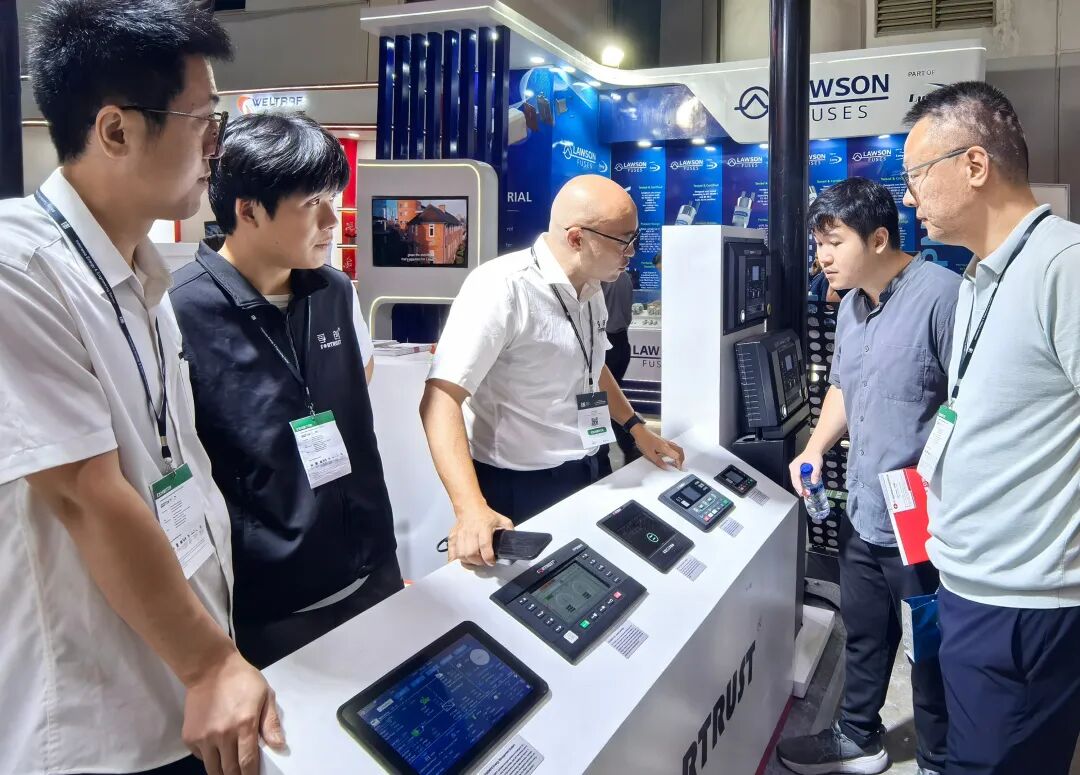
How Do Indonesian Industrial Parks Keep the Power On? Fortrust's Answer at Electric & Power Indonesia 2026
News and Exhibitions
2026.09.19


Electronic engine governors need a precise mechanical output to convert electrical control signals into stable fuel adjustment. A rotary electric actuator performs this critical function by controlling the movement of the fuel pump rack according to the governor signal. When the actuator responds accurately, the engine can maintain the required speed while reducing unnecessary fuel variation and unstable operation.
For diesel engines and generator sets, actuator performance directly affects speed regulation, load response, and fuel delivery. A poorly matched actuator may introduce delayed movement, insufficient output force, or inconsistent positioning. Choosing a rotary actuator for electronic engine governor applications therefore requires attention to response characteristics, output movement, electrical compatibility, and the operating environment rather than focusing on one specification alone.
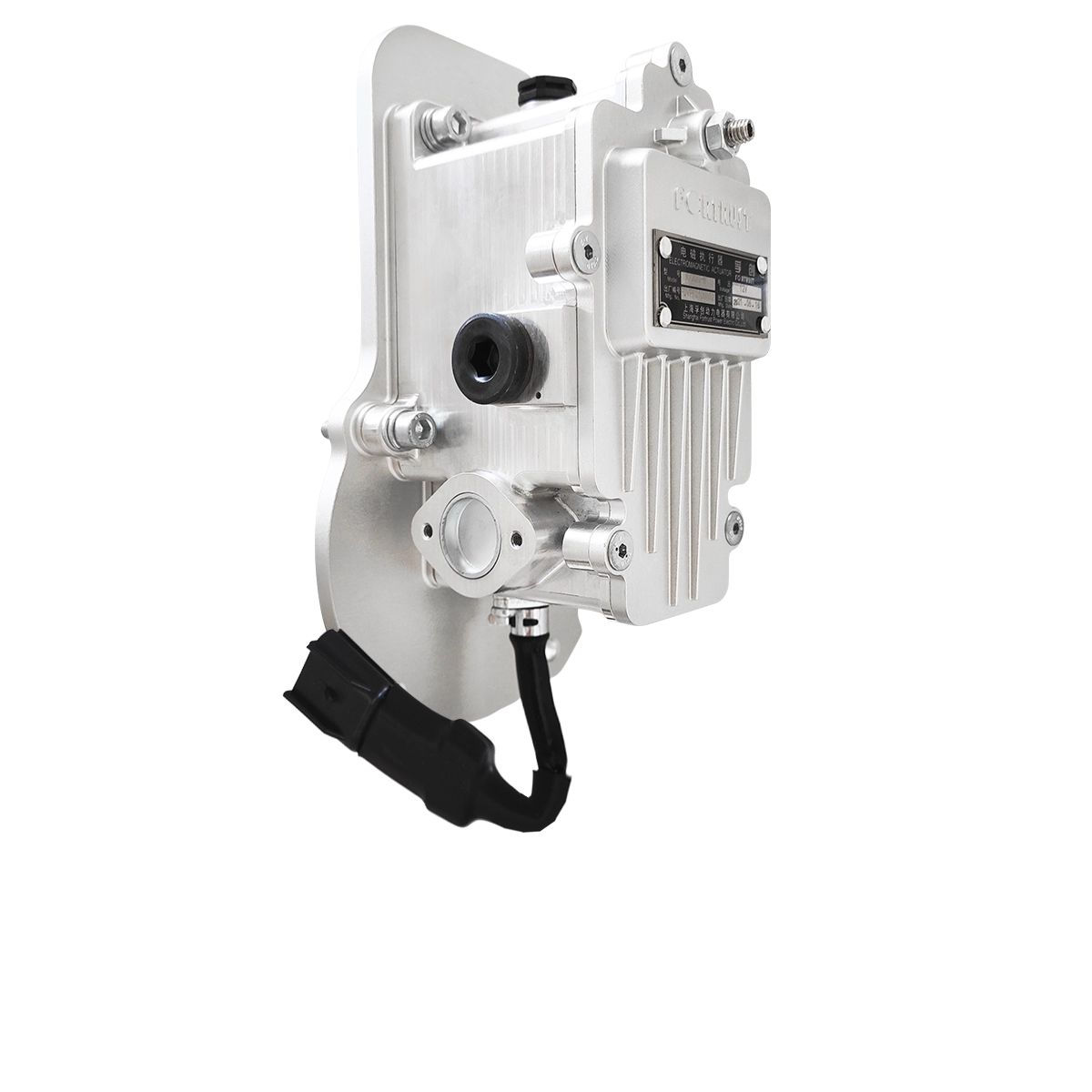
The operating principle is based on converting an electrical input into controlled mechanical movement. The electronic governor sends a proportional current signal to the actuator, and the actuator changes the position of the fuel pump rack through its output mechanism. This adjustment changes the amount of fuel delivered to the engine, allowing engine speed to respond to changing operating conditions.
This arrangement eliminates the need to rely solely on mechanical speed-sensing components for fuel adjustment. The engine speed control actuator can respond directly to electrical commands, making it suitable for applications where accurate fuel positioning and fast response are important. The relationship between input current and actuator movement also allows the governor and fuel pump to work together as a coordinated control arrangement.
Selecting the right actuator requires a clear understanding of the engine, fuel pump, governor, and mechanical linkage. The required output movement must match the fuel rack travel, while the available force needs to be sufficient to move the connected mechanism under actual operating conditions. Electrical requirements are equally important because voltage and current compatibility influence actuator response and operating stability.
The following factors should be considered during selection:
| Selection Factor | Why It Matters |
|---|---|
| Output movement | Must correspond with the required fuel rack travel |
| Output force | Determines whether the actuator can move the connected mechanism |
| Response time | Influences engine speed response to changing load |
| Operating voltage | Must match the available electrical supply |
| Current characteristics | Affect control signal compatibility |
| Temperature resistance | Supports operation in demanding engine environments |
| Mechanical connection | Helps ensure accurate and secure fuel rack movement |
A fuel pump rack actuator should also be evaluated according to the mechanical resistance of the connected fuel pump. Excessive friction or an unsuitable linkage can reduce positioning accuracy even when the actuator itself performs correctly. Proper mechanical matching is therefore as important as electrical compatibility.
Fast response is an important characteristic of an actuator used with an electronic governor. When engine load changes suddenly, the governor needs the actuator to adjust fuel delivery quickly enough to support stable engine speed. Excessive delay between the electrical command and mechanical movement can contribute to speed fluctuations, slow load response, or inefficient fuel adjustment.
At the same time, speed alone is not sufficient. The actuator must provide controlled and repeatable movement so that small changes in the governor signal produce predictable fuel adjustments. This balance between response and positioning accuracy is particularly important for diesel engines operating under variable loads.
Electrical compatibility should be confirmed before installing an actuator. Diesel engines and generator applications may use different supply voltages, and the actuator must operate correctly with the output characteristics of the electronic governor. Incorrect electrical matching can result in inadequate movement, excessive current demand, or unreliable control.
A suitable electronic engine actuator should work consistently across its intended operating range while maintaining a predictable relationship between the control signal and output movement. For this reason, the actuator should be selected together with the governor and fuel pump rather than treated as an isolated component.
Mechanical installation has a direct influence on actuator performance. The output connection must provide the necessary travel without creating excessive resistance or restricting movement. The linkage should also allow the actuator to reach the required fuel positions while maintaining a secure connection during continuous engine vibration.
A well-matched diesel engine rotary actuator should provide sufficient output movement and force for the intended fuel pump application. Attention should also be given to the zero-fuel position and maximum fuel position. Correct adjustment helps prevent excessive fuel delivery while ensuring that the engine can receive enough fuel for normal starting and operation.
Engine compartments can expose electrical and mechanical components to temperature changes, vibration, humidity, and continuous operating cycles. These conditions make environmental durability an important part of actuator selection. A component designed only around laboratory conditions may not deliver the same performance when installed close to an operating engine.
Fortrust focuses on actuator construction suitable for demanding engine applications, with attention to temperature tolerance, vibration resistance, and long-term operating stability. A rotary electric actuator for diesel engines should maintain predictable movement under the environmental conditions expected during actual operation.
Fuel quantity control is closely connected with engine speed regulation. When the actuator changes the fuel rack position, it determines how much fuel enters the engine. Accurate movement therefore helps the governor respond to changes in engine demand without making unnecessary fuel adjustments.
The actuator can also support fuel limiting functions through mechanical adjustment of the output position. This is useful when the fuel pump requires a defined maximum delivery position or a controlled zero-fuel position. Such adjustment provides greater flexibility when integrating an actuator with different engine and fuel pump configurations.
Rotary electromagnetic construction provides a compact way to generate controlled mechanical movement from an electrical signal. Compared with complicated mechanical control arrangements, an electrically controlled actuator can simplify the connection between the governor and fuel pump while allowing the control signal to determine the required fuel position.
For applications requiring electronic diesel engine speed control, the actuator serves as the physical link between electronic regulation and fuel delivery. Its role is not simply to move a linkage, but to provide predictable mechanical feedback to the governor's control requirements through accurate fuel positioning.
Before installation, engineers should confirm the required actuator movement, output force, electrical supply, governor compatibility, and fuel pump linkage dimensions. The available mechanical travel should be checked carefully to prevent the actuator from being forced beyond its intended range.
It is also important to verify the stop positions and linkage alignment after installation. Incorrect adjustment can prevent complete fuel shutoff or limit the available fuel range. A properly configured engine governor actuator should move smoothly throughout its working range and return reliably to the required position when the control signal changes.
For engine manufacturers, generator integrators, and replacement-part distributors, supplier capability is another important consideration. A suitable supplier should provide clear technical information, application guidance, and support for electrical and mechanical matching.
Fortrust provides electronic engine control components designed for applications involving diesel engines, generator sets, fuel pumps, and electronic governors. When selecting a rotary electric actuator, working with a supplier that understands both the electrical control side and the mechanical fuel-control side can help reduce compatibility problems during installation.
A rotary electric actuator converts an electrical control signal into mechanical movement. In electronic engine governor applications, it is commonly used to adjust the fuel pump rack and regulate fuel delivery according to the governor command.
The actuator changes fuel rack position, which adjusts the quantity of fuel delivered to the engine. This allows the electronic governor to respond to changes in engine speed and load while maintaining more consistent operation.
Key considerations include operating voltage, current requirements, output movement, output force, response time, environmental conditions, and mechanical linkage compatibility. These factors should be evaluated together with the governor and fuel pump.
A fast and predictable response allows the actuator to adjust fuel delivery promptly when engine load changes. This helps the governor maintain stable engine speed and reduces unnecessary fluctuations during operation.
No. Actuator selection depends on the fuel pump, required rack travel, mechanical resistance, governor output, electrical supply, and installation arrangement. Proper matching is essential for reliable fuel control.
They are commonly used in diesel engines, generator sets, electronic governor applications, and fuel pump control arrangements where electrical signals must be converted into precise mechanical fuel adjustment.