

 中
 英


How Generator Controller Improves Utility Detection and Power Transfer Reliability
News and Exhibitions
2026.10.15


Reliable electricity supply depends not only on generator performance but also on how effectively multiple power sources coordinate their operation. In facilities with high electricity demand, diesel generator synchronization plays an important role in maintaining stable power output, distributing electrical loads, and managing connections with the utility grid. Without accurate synchronization and coordinated control, differences in voltage, frequency, and phase angle can affect power quality and create operational risks.
A diesel generator synchronization module provides centralized control over these critical processes. It helps multiple generator sets operate in parallel, coordinate load sharing, and connect with the main grid under controlled conditions. For industrial facilities, commercial buildings, telecommunications infrastructure, and other power-intensive applications, choosing an appropriate synchronization solution can improve operational flexibility and power supply reliability.
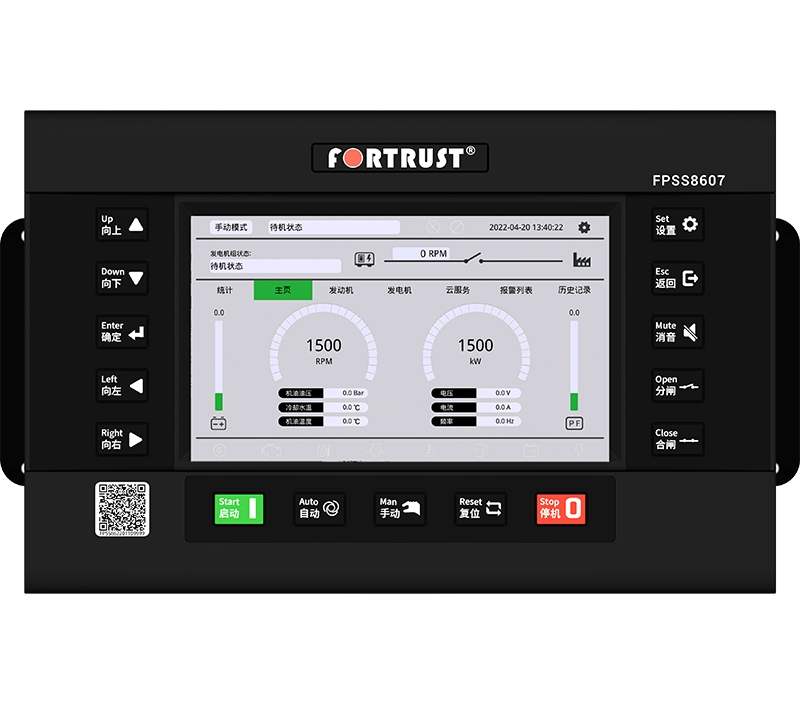
When several diesel generators operate simultaneously, their electrical outputs must remain properly coordinated. Before connecting generators in parallel, important electrical conditions, including voltage, frequency, phase sequence, and phase angle, must meet synchronization requirements. Even small deviations can result in circulating currents, mechanical stress, or unstable electrical performance.
A diesel generator synchronization module continuously monitors these operating conditions and coordinates the connection process. By evaluating electrical parameters and controlling external equipment, it helps generators connect safely and maintain consistent operation. This capability is particularly important for facilities that require continuous electricity and cannot depend on a single generating unit.
Parallel generation also offers greater flexibility in capacity management. Operators can bring additional generators online when electricity demand increases and reduce the number of running units when demand decreases. This approach supports more efficient generator utilization while providing additional capacity for changing operational requirements.
Successful synchronization involves more than simply connecting a generator to an electrical network. The controller must evaluate the electrical characteristics of both power sources and determine when operating conditions are suitable for connection.
A generator synchronization controller typically performs several coordinated functions, including voltage comparison, frequency monitoring, phase angle detection, and breaker control. Once synchronization conditions are satisfied, the module can issue a closing command to the appropriate circuit breaker, subject to the configured control logic and external equipment arrangement.
When connecting to the utility grid, the generator must also operate within the applicable grid connection requirements. After connection, the controller can coordinate active and reactive power regulation through the speed governor and automatic voltage regulator (AVR). This allows the generating equipment to respond to changing electrical demand while maintaining appropriate operating conditions.
A reliable parallel generator controller should combine electrical monitoring, load management, communication, and protective functions. These capabilities work together to simplify generator coordination and improve operational visibility.
When multiple diesel generators supply a common electrical load, balanced power distribution is essential. Automatic load sharing enables participating generators to coordinate their contributions according to configured operating strategies and available capacity.
Active power sharing is generally associated with engine speed and governor regulation, while reactive power sharing involves generator excitation and AVR control. Proper coordination helps prevent individual generators from carrying disproportionate loads, reducing unnecessary operating stress and improving overall generation efficiency.
Voltage, current, and frequency are fundamental indicators of generator performance. Continuous monitoring allows operators to identify abnormal conditions and understand how electrical loads affect generating equipment.
An intelligent synchronization controller processes these measurements to support coordinated regulation and protection. Clear access to electrical information also helps maintenance personnel evaluate operating trends, investigate fluctuations, and make more informed adjustments.
Effective parallel operation requires communication between the synchronization controller and external regulating equipment. Interfaces for the speed governor and AVR allow the controller to coordinate active and reactive power adjustments.
Compatibility with different generator configurations is an important consideration when selecting a diesel generator parallel operation controller. Flexible interfaces make integration easier and provide greater adaptability when upgrading existing generating facilities.
As power generation facilities become more interconnected, communication capabilities are increasingly important. An intelligent generator synchronization module should provide reliable connections with monitoring equipment, supervisory platforms, and other control devices.
Interfaces such as RS485, CAN, and Ethernet support data exchange across different equipment configurations. Modbus communication also facilitates integration with supervisory control and data acquisition platforms, allowing operators to access operating information from a centralized interface.
Remote monitoring and configuration provide additional convenience. Authorized personnel can review generator conditions, monitor electrical measurements, and adjust supported settings without always needing to work directly at the control panel. A high-resolution LCD with Chinese and English interface options further improves local operation by making important information easier to access.
Functional capability | Operational value |
|---|---|
Multi-generator synchronization | Coordinates parallel generator connections |
Active and reactive load sharing | Supports balanced power distribution |
Voltage and frequency monitoring | Improves electrical condition awareness |
Governor and AVR interfaces | Enables coordinated power regulation |
RS485, CAN, and Ethernet | Facilitates equipment communication |
Modbus support | Simplifies supervisory integration |
Remote configuration | Improves operational convenience |
LCD interface | Provides accessible local information |
Synchronization is only one part of reliable generator operation. Protective functions are equally important because abnormal electrical conditions can affect connected equipment, generator components, and the wider power network.
A generator synchronization and protection controller can monitor conditions such as overvoltage, undervoltage, abnormal frequency, and reverse power. When configured limits are exceeded, the controller can initiate appropriate alarms or protective actions according to its control logic and installation requirements.
Reverse power protection is particularly relevant to parallel generation. If a generator begins absorbing active power instead of supplying it, the engine may be exposed to undesirable operating conditions. Detecting this situation helps protect generating equipment and supports safer coordinated operation.
Protection settings should be selected according to generator characteristics, application requirements, and relevant electrical regulations. Proper commissioning and regular verification are necessary to ensure that protective functions respond as intended.
The application range of diesel generator synchronization solutions extends across industries where dependable electricity and flexible power distribution are essential.
Industrial parks and manufacturing facilities use parallel generators to accommodate fluctuating production loads and maintain electricity availability during utility interruptions. Coordinated generation also allows operators to manage capacity according to actual demand rather than relying on a single large generating unit.
Hospitals and data centers require dependable backup generation because interruptions can affect critical equipment and essential operations. Synchronization and grid connection capabilities support coordinated power transitions and flexible generation arrangements, subject to the facility's transfer and protection design.
Telecommunications base stations and broadcasting facilities also benefit from intelligent generator control. Reliable electrical monitoring, remote communication, and protective functions help personnel manage geographically distributed power installations more effectively.
Commercial buildings and infrastructure projects may use grid-connected generators to improve power supply flexibility, coordinate multiple generating units, and manage different operating conditions.
Selecting the right controller requires an understanding of the electrical architecture and operational objectives of the installation. Buyers should first determine how many generators need to operate in parallel and whether the application requires utility grid synchronization, island operation, or both.
Compatibility is another important factor. The controller must work with the generator's electrical measurements, circuit breakers, speed governor, AVR, and communication architecture. Buyers should also confirm whether the available interfaces support the equipment already installed at the facility.
Protection functions, remote monitoring capabilities, display accessibility, and communication protocols deserve equal attention. A controller that combines these functions can reduce integration complexity and provide operators with better visibility into generator performance.
Working with an experienced diesel generator controller manufacturer can also help buyers evaluate application requirements, configuration options, and integration considerations before installation.
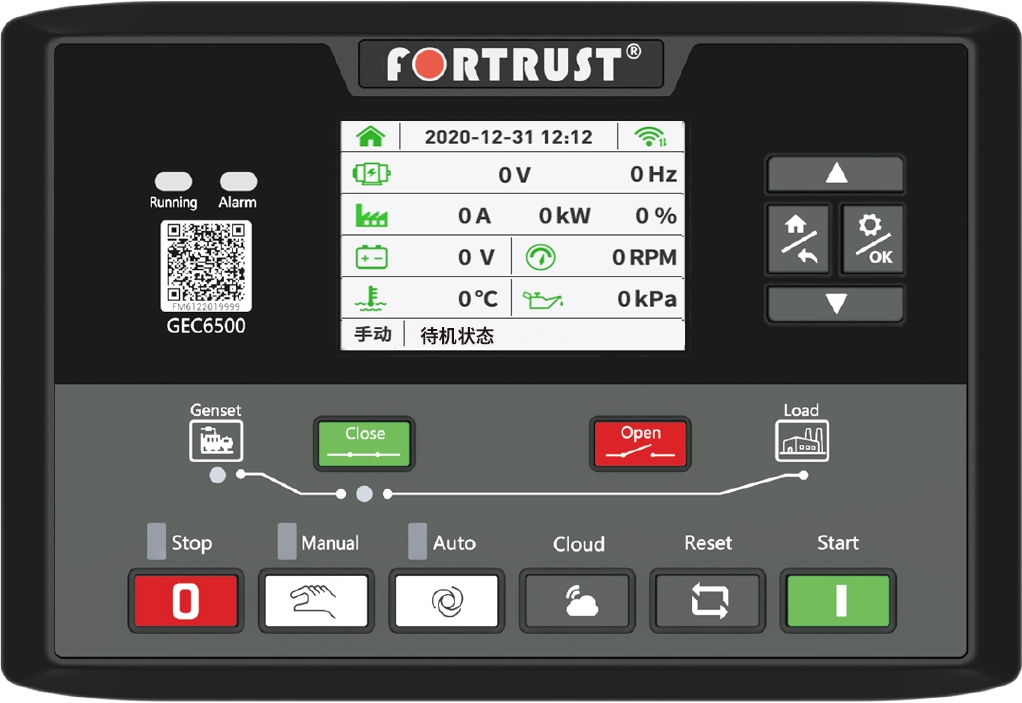
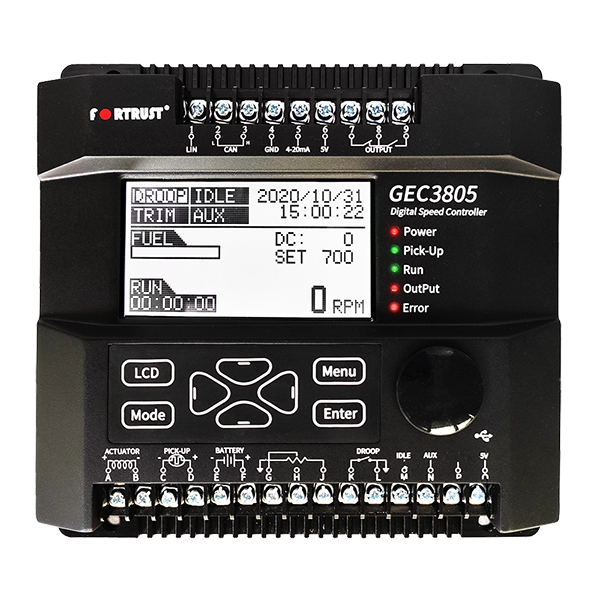
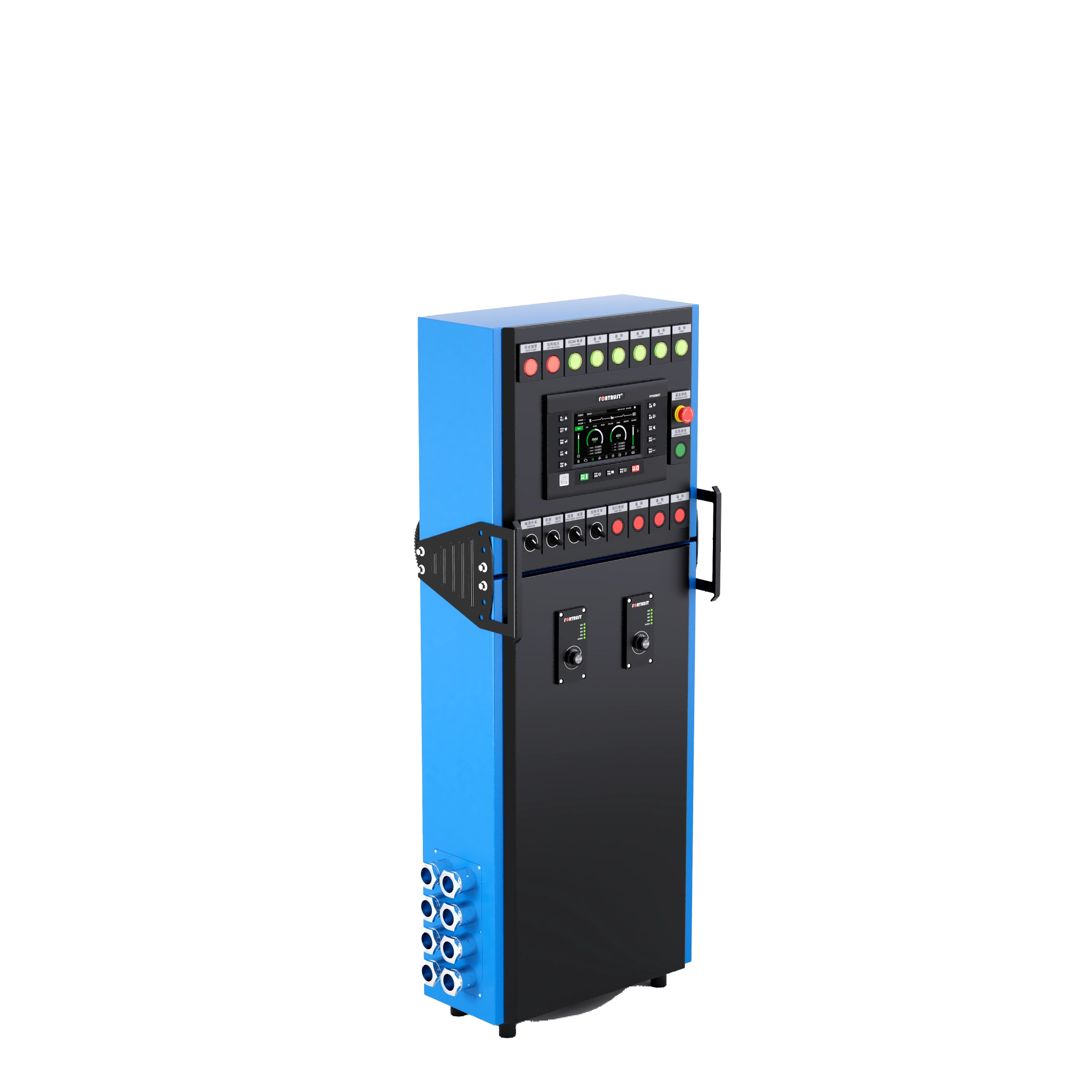
Fortrust Power focuses on intelligent control solutions for diesel generator applications, including parallel operation, synchronization, and grid connection. Its FPSS intelligent terminal range is designed to support coordinated generator operation through electrical monitoring, load sharing, communication interfaces, and comprehensive protection functions.
By combining local display operation with remote monitoring and configuration capabilities, Fortrust Power helps equipment integrators and power facility operators improve control accessibility and operational management.
For projects involving multiple generating units or utility-connected generation, selecting a suitable diesel generator synchronization module is an important step toward achieving stable power distribution, flexible capacity management, and dependable electrical operation. Fortrust Power provides control solutions to support different generator application requirements and integration needs.
A diesel generator synchronization module is a control device that monitors electrical conditions and coordinates generator connections to another generator or utility grid. It helps ensure that voltage, frequency, and phase conditions meet configured synchronization requirements before connection.
Yes. Multiple diesel generators can operate in parallel when they have compatible electrical characteristics and suitable synchronization, protection, and load-sharing arrangements. This configuration allows generating capacity to be adjusted according to electricity demand.
Active power sharing controls how much real power each generator supplies, generally through engine speed governor regulation. Reactive power sharing manages the distribution of reactive power, primarily through generator excitation and AVR regulation.
Reverse power protection detects situations in which a generator absorbs active power from the connected electrical network rather than supplying it. This function helps prevent undesirable operating conditions and protects the generating equipment.
Many intelligent controllers support communication interfaces and protocols such as RS485, Ethernet, and Modbus, making SCADA integration possible. Actual compatibility depends on the communication configuration, supported data points, and the requirements of the supervisory platform.
Industrial manufacturing, hospitals, data centers, telecommunications facilities, broadcasting infrastructure, and commercial buildings are common application areas. These facilities benefit from coordinated generation, flexible load distribution, and improved monitoring of electrical operations.