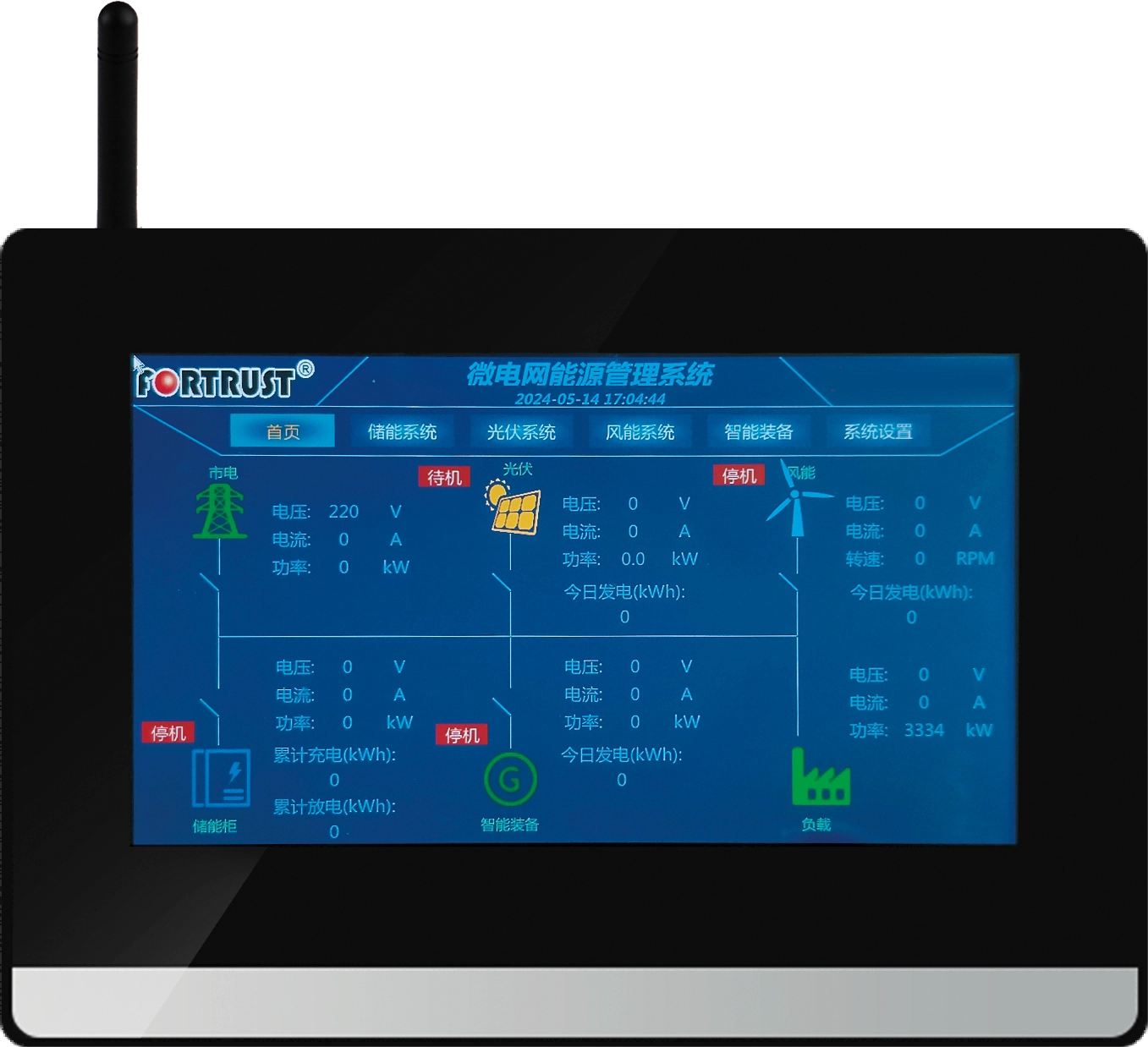
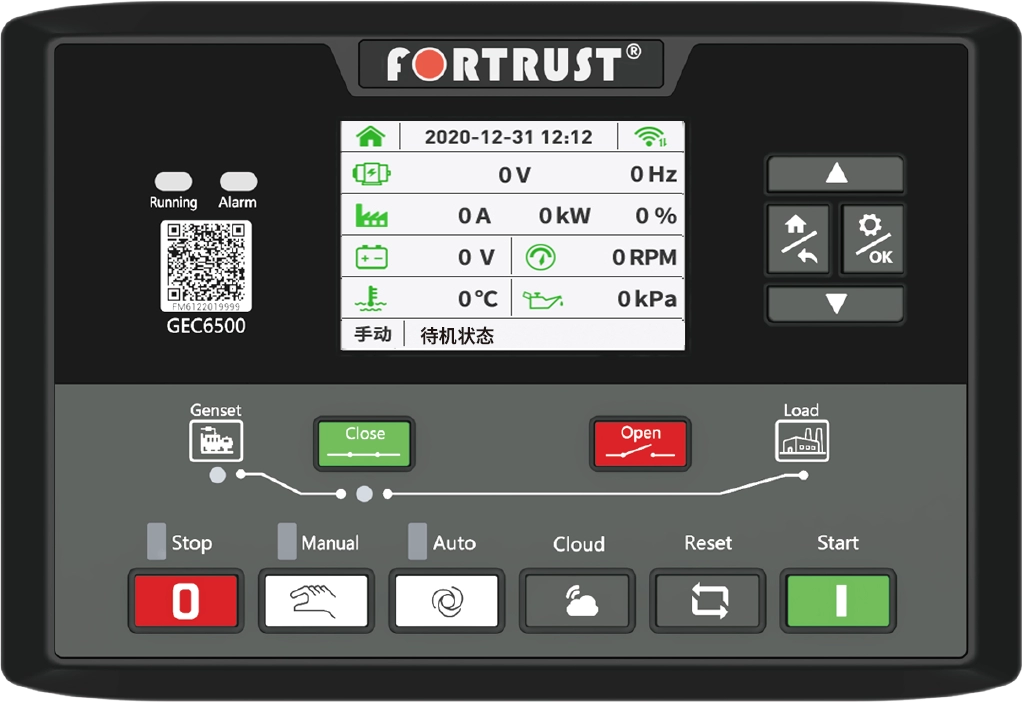
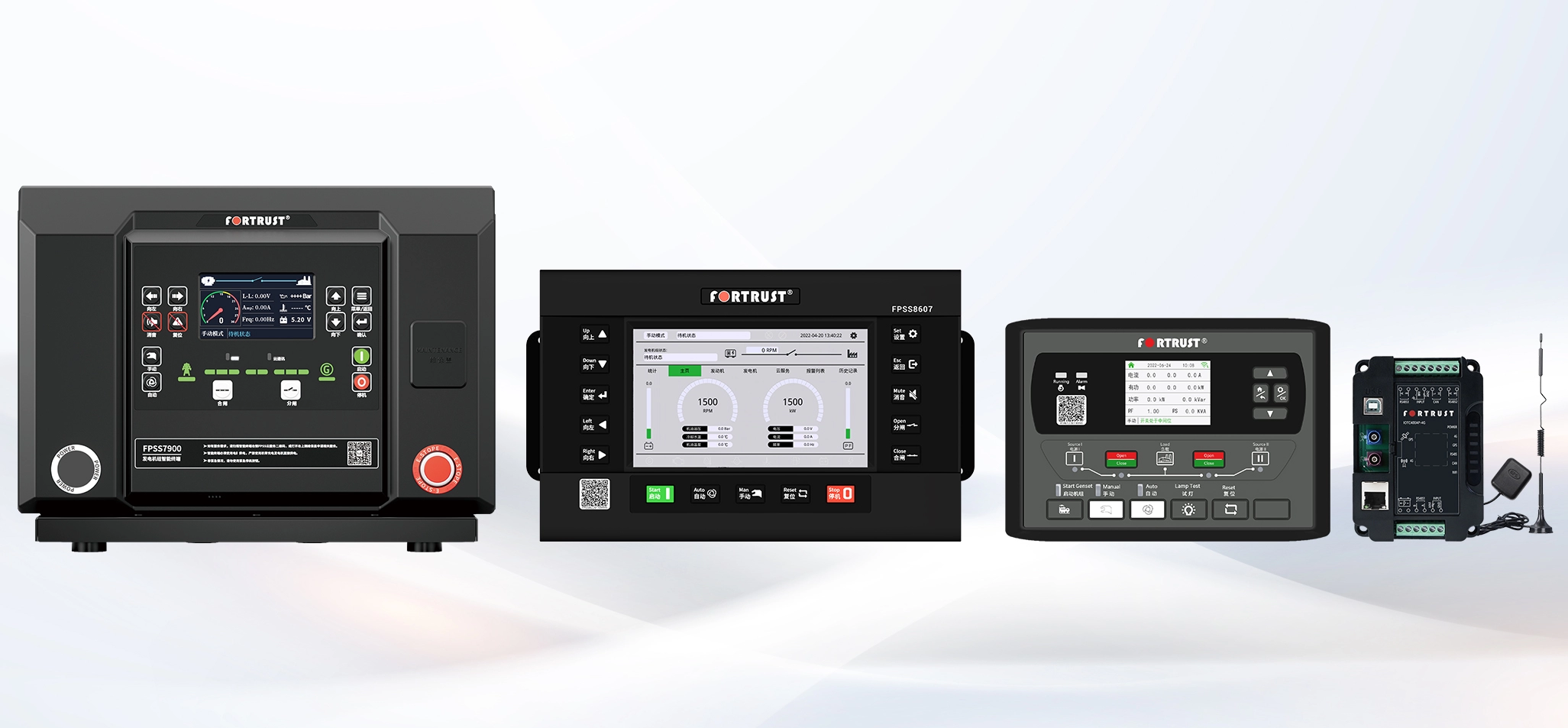
Digital Generator Controller for Reducing Generator Speed Fluctuation Issues
Improving Generator Stability Through Digital Generator Controller Technology
Stable power output depends heavily on accurate engine speed regulation. When generator rotation changes unexpectedly, voltage frequency fluctuations, unstable performance, and reduced equipment efficiency may occur. A digital generator controller provides precise electronic regulation by continuously monitoring operating conditions and adjusting control signals to maintain consistent generator performance.
Fortrust develops digital control solutions designed for professional power applications where accurate speed management and dependable operation are essential. Unlike traditional mechanical adjustment methods, digital control technology can process operating data faster and respond more effectively to changing load conditions, helping generators achieve smoother operation and improved reliability.
In industrial power generation, even minor speed variations can affect connected equipment and overall energy performance. A high-quality digital generator controller helps reduce these fluctuations by coordinating engine control functions, improving response time, and maintaining stable output during different operating situations.
Why Generator Speed Fluctuation Creates Operational Challenges
Generator speed fluctuation is a common concern in many power applications. Changes in electrical demand, mechanical load variation, fuel supply conditions, and environmental factors can influence engine rotation. Without accurate regulation, these changes may result in unstable frequency output and unnecessary stress on generator components.
A reliable digital generator controller for generator stability addresses these challenges by collecting real-time operating information and adjusting control signals with greater accuracy. This approach allows the generator to react quickly when load conditions change, reducing sudden speed deviations.
The main challenges caused by unstable generator speed include:
| Challenge | Impact on Generator Operation |
|---|
| Frequent speed changes | Causes unstable frequency output |
| Slow load response | Reduces overall power reliability |
| Poor regulation accuracy | Increases mechanical and electrical stress |
| Manual adjustment limitations | Makes operation less efficient |
By solving these issues, digital control technology supports smoother generator operation and extends the service life of important engine components.
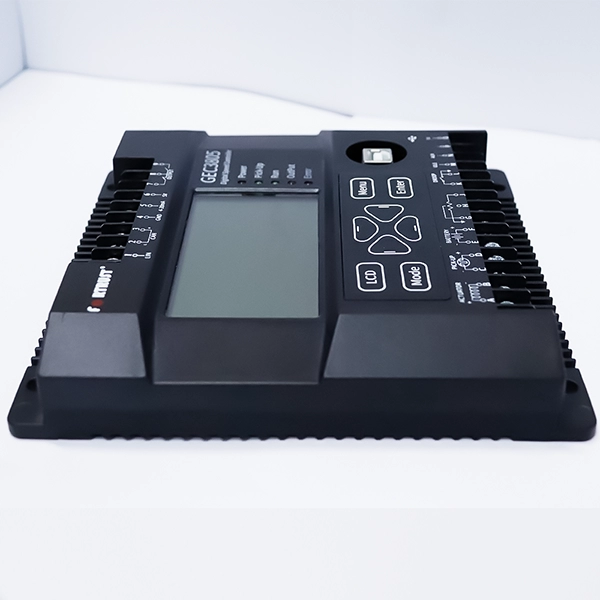
How Digital Generator Controller Improves Engine Regulation
A digital generator controller works by receiving signals from engine sensors and analyzing operating conditions through intelligent processing. Based on collected information, it sends accurate control commands to maintain appropriate engine speed and improve generator response.
The biggest advantage of digital regulation is its ability to adapt quickly. When the generator experiences a sudden increase or decrease in load, the controller can immediately adjust output signals to minimize speed variation. This rapid response is especially valuable for applications requiring continuous and stable power supply.
Compared with conventional mechanical governors, electronic control solutions provide improved adjustment precision and better flexibility. Digital technology also allows manufacturers and operators to achieve more consistent performance across different operating environments.
Key Benefits of Digital Speed Control for Generator Applications
A professional digital generator controller supplier focuses on providing solutions that improve generator efficiency, stability, and operational safety. Fortrust digital control products are designed to support demanding industrial requirements through accurate regulation and dependable performance.
The major benefits include:
Improved speed accuracy
Precise electronic adjustment helps maintain stable engine rotation and reduces unnecessary fluctuations during operation.
Faster response to load changes
The controller can react quickly when power demand changes, supporting smoother transitions and minimizing performance interruptions.
Enhanced operational reliability
Stable control reduces stress on mechanical components and contributes to longer equipment service intervals.
Flexible application compatibility
Digital controllers can support different generator configurations and industrial power requirements, making them suitable for various professional applications.
Digital Generator Controller Applications in Power Equipment
A digital generator controller for engine control applications is widely used in equipment where stable speed regulation is critical. These solutions support industries that require dependable electricity generation and accurate engine management.
Common application areas include:
Industrial generator sets requiring continuous operation
Backup power equipment for critical facilities
Commercial power generation equipment
Construction and infrastructure power solutions
Marine and off-grid energy equipment
Each application has different operational requirements, but the core demand remains the same: maintaining stable engine speed while responding effectively to changing conditions.
Choosing the Right Digital Generator Controller Supplier
Selecting the right supplier is an important step for global buyers searching for reliable engine control solutions. A qualified manufacturer should provide not only high-quality products but also technical support, customization capability, and long-term supply stability.
When evaluating a digital generator controller manufacturer, buyers should consider several important factors:
| Selection Factor | Why It Matters |
|---|
| Control accuracy | Ensures stable generator operation |
| Product reliability | Supports long-term industrial use |
| Technical experience | Provides better application support |
| Manufacturing capability | Ensures consistent supply for global projects |
| Custom solutions | Meets different equipment requirements |
Fortrust focuses on delivering professional electronic control solutions for international customers. Through engineering expertise and manufacturing experience, the company helps customers improve generator performance and achieve more stable power management.
Reducing Generator Performance Problems with Smart Control Solutions
Many generator issues are related to unstable regulation rather than insufficient mechanical power. A well-designed control solution can significantly improve overall operation by creating better coordination between engine behavior and power requirements.
A digital generator controller for reducing speed fluctuation issues helps maintain balanced performance by continuously adjusting control signals according to actual operating conditions. This prevents excessive speed changes and supports more consistent energy output.
For industries that depend on reliable power generation, improved control accuracy can reduce maintenance demands, enhance equipment efficiency, and provide greater confidence during long-term operation.
Future Demand for Digital Generator Control Solutions
The global power industry continues to require more efficient and dependable generator management technologies. As applications become more demanding, digital control solutions are becoming increasingly important for improving operational consistency.
International buyers are looking for suppliers that can provide stable quality, professional engineering support, and flexible solutions for different generator applications. A trusted digital generator controller supplier for global markets can help equipment manufacturers and project operators achieve better performance while reducing operational risks.
Fortrust continues to develop electronic control technologies that support reliable generator operation and meet the expectations of customers worldwide.
FAQ
What is a digital generator controller used for?
A digital generator controller is used to regulate engine speed and improve generator stability. It monitors operating conditions and adjusts control signals to maintain consistent performance.
How does a digital generator controller reduce speed fluctuation?
The controller analyzes real-time engine information and quickly adjusts output signals when load conditions change. This helps reduce sudden speed changes and maintain stable generator operation.
Why choose a digital controller instead of traditional regulation methods?
Digital control provides higher adjustment accuracy, faster response, and better adaptability compared with traditional mechanical regulation approaches.
What industries use digital generator controllers?
Digital generator controllers are commonly used in industrial power generation, backup electricity equipment, commercial energy applications, and other professional generator environments.
How can buyers select a suitable digital generator controller supplier?
Buyers should evaluate supplier experience, product quality, technical support capability, customization options, and long-term manufacturing reliability before making a decision.



 中
中 英
英





![[Uniting for a Shared Future: Shipbuilding and Marine Engineering] Fuchuang Power Hosts and Deeply Participates in the Establishment of the Harbin Engineering University Alumni Shipbuilding and Marine Engineering Industry Alliance in Nantong](/uploads/upload/20260316/2603161FPGF.webp)