

 中
 英




Reciprocating Actuator for Engine Governor and Fuel Rack Control
News and Exhibitions
2026.08.21


Maintaining a generator control system in peak operating condition requires more than routine inspections and occasional repairs. Many operational problems develop gradually, beginning with small changes in operating data that may go unnoticed during daily maintenance. When these deviations remain unaddressed, they can eventually affect generator performance, operating efficiency, and power supply reliability. A proactive maintenance strategy helps operators recognize these changes before they develop into more serious operating concerns.
One of the most effective approaches is data-driven preventive maintenance. By combining real-time monitoring, automatic alerts, and historical data analysis, operators can gain a clearer understanding of generator conditions and make maintenance decisions based on measurable information. Rather than waiting for visible faults or unexpected shutdowns, maintenance personnel can identify early warning signs and arrange appropriate inspections. This approach makes generator maintenance more structured and supports consistent power generation.
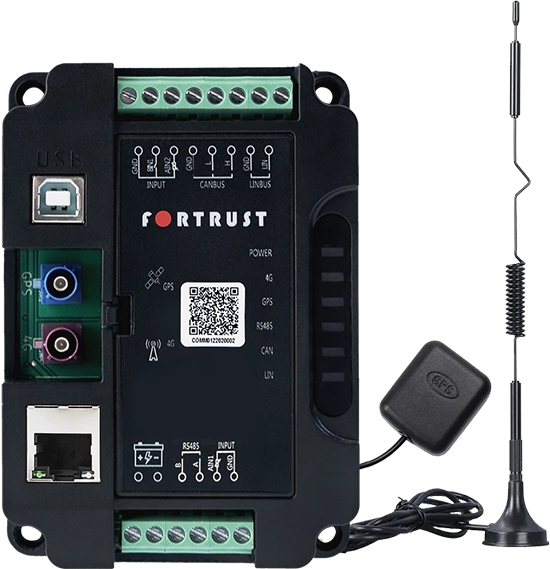
Continuous monitoring provides an important foundation for reliable generator operation. With suitable sensors, communication gateways, and cloud platforms, relevant operating information can be collected and transmitted for ongoing evaluation. This allows maintenance personnel to observe changes in operating conditions without relying entirely on manual inspections. It also provides a more comprehensive view of generator performance during different operating periods.
For a generator control system, monitoring key operating parameters helps identify deviations from established normal ranges. Early detection of abnormal readings gives technicians more time to investigate possible causes and arrange corrective maintenance. Instead of waiting for noticeable performance deterioration, operators can respond when the first warning signs appear. Consistent monitoring therefore helps reduce unexpected interruptions and improves maintenance efficiency.
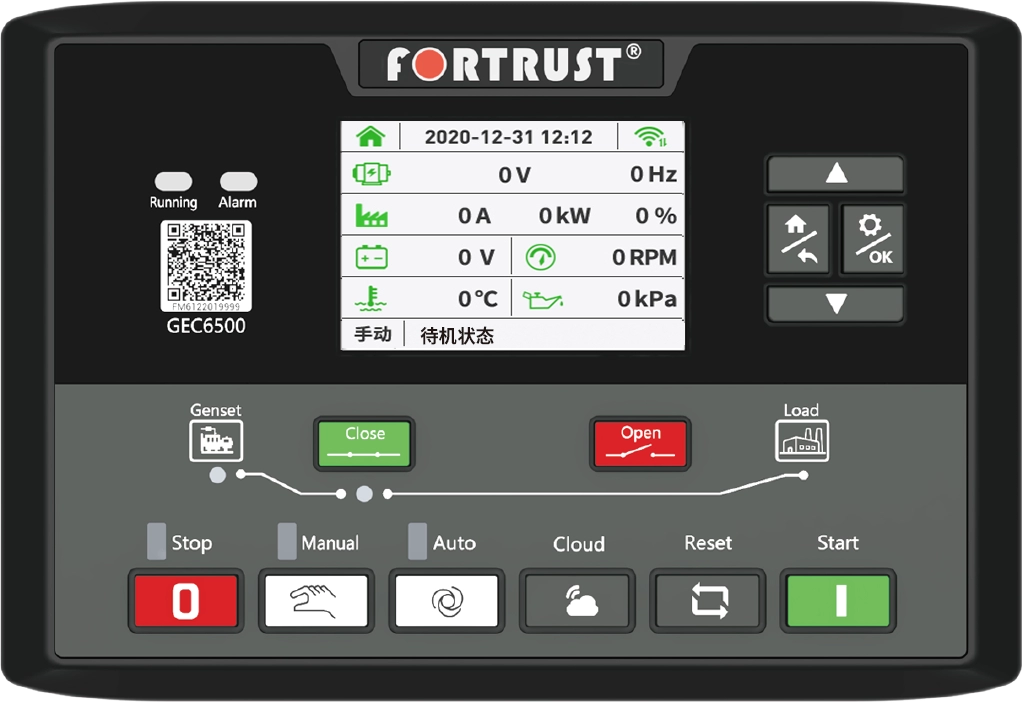
Real-time data becomes more valuable when supported by an effective alarm mechanism. Appropriate alarm thresholds allow the generator controller to identify abnormal readings and notify maintenance personnel when monitored values exceed predefined limits. This creates a direct connection between operating information and maintenance decisions, helping technicians focus on conditions that require attention.
However, alarm configuration requires careful consideration. Thresholds should reflect equipment characteristics, operating requirements, and historical data. Settings that are too sensitive may generate unnecessary notifications, while excessively broad limits can delay fault identification. Well-defined generator alarm thresholds help maintenance teams distinguish significant abnormalities from normal operating variations and prioritize corrective actions more effectively.
Individual readings provide useful information, but long-term operating records can reveal patterns that are difficult to recognize through occasional inspections. By reviewing historical data, engineers can compare operating trends, identify recurring abnormalities, and investigate gradual changes in generator performance. These records also help establish a clearer understanding of how operating conditions develop over time.
Historical analysis plays an important role in predictive generator maintenance. When similar deviations appear repeatedly, technicians can investigate relevant components and determine whether preventive action is necessary. Comparing current readings with previous operating records also makes it easier to recognize unusual changes that might otherwise be overlooked. Historical generator performance analysis therefore provides valuable evidence for maintenance planning and fault prevention.
A practical preventive maintenance strategy begins with establishing reliable data collection. Suitable sensors should be installed at relevant monitoring points, while communication gateways transmit available operating information to a cloud platform. The accuracy of collected readings and the consistency of data transmission should be checked regularly to ensure that maintenance decisions rely on dependable information.
Data collection should also follow a clear management structure. Operating records need to be organized so that engineers can compare readings across different periods and identify meaningful changes. Incomplete information, inconsistent measurement intervals, or communication interruptions may affect the quality of subsequent analysis. A well-organized generator control monitoring solution makes it easier to transform raw operating information into useful maintenance insights.
Establishing suitable alarm thresholds is another essential part of data-driven maintenance. Each generator operates under specific conditions, so alarm limits should be determined according to equipment characteristics and relevant operating requirements. Historical readings can provide additional reference information when engineers evaluate normal variations and identify conditions that require attention.
Thresholds should not remain unchanged indefinitely. As operating conditions evolve, maintenance personnel may need to review existing settings and determine whether they remain appropriate. Alarm records should also be examined to identify repeated notifications or potential gaps in fault detection. Accurate alarm configuration helps balance early fault identification with practical maintenance requirements, reducing unnecessary interventions while preserving effective protection.
Collecting information alone does not guarantee better maintenance results. The real value of a generator control system comes from interpreting operating data correctly and translating findings into appropriate actions. Regular analysis should examine abnormal readings, recurring deviations, alarm frequency, and changes in operating trends.
Maintenance personnel should also consider the relationship between different readings rather than evaluating every abnormal value independently. A single deviation may have several possible causes, and further inspection may be necessary before corrective measures are selected. Documenting the findings and subsequent actions creates a useful reference for future maintenance. This process strengthens data-based generator fault diagnosis and helps prevent repeated problems from being overlooked.
Even with continuous monitoring, operators need a clear response procedure for abnormal conditions. When an automatic alert is received, maintenance personnel should be able to identify the reported parameter, review relevant operating records, and determine whether further inspection or corrective action is required. A defined response process reduces confusion and helps ensure that important warnings receive appropriate attention.
Responsibilities should be assigned clearly among operators, maintenance technicians, and technical support personnel. Inspection findings and corrective measures should also be recorded for later evaluation. For serious abnormalities, operators must follow the generator manufacturer's operating instructions and applicable safety procedures rather than relying solely on remote monitoring information. A structured generator maintenance response plan helps turn early warnings into timely and controlled interventions.
Preventive maintenance should be treated as a continuous management activity rather than an occasional technical task. Operating conditions may change, and previously established alarm thresholds may need to be reviewed as new information becomes available. Maintaining accurate records of abnormalities, maintenance activities, and corrective measures helps engineers understand equipment behavior more comprehensively.
Fortrust focuses on intelligent generator control solutions that integrate monitoring capabilities, cloud connectivity, and remote management functions. By making operating information more accessible and supporting data-based maintenance decisions, Fortrust helps users identify potential abnormalities, analyze performance trends, and organize maintenance activities more effectively. Combining real-time generator monitoring with preventive maintenance provides a practical foundation for reliable operation and long-term power supply stability.
Data-driven maintenance helps identify abnormal operating trends before they develop into serious problems. Real-time monitoring and historical analysis provide useful information for planning inspections, identifying potential faults, and improving maintenance decisions.
Relevant operating parameters should be selected according to generator configuration and available sensing capabilities. Operators should also review alarm records, historical readings, and recurring deviations to gain a more complete understanding of operating conditions.
Automatic alerts notify maintenance personnel when monitored values exceed established thresholds. This allows technicians to investigate abnormal conditions earlier, determine whether corrective action is necessary, and reduce the risk of problems developing without attention.
The review frequency should reflect operating conditions, maintenance requirements, and the importance of continuous power availability. Regular analysis helps identify recurring deviations and changing performance trends before they become more difficult to manage.
Yes. When suitable communication gateways and cloud services are available, authorized personnel can review operating data remotely, examine historical records, and respond to reported abnormalities without being continuously present at the equipment location.