

 中
中 英
英



Marine Control Box Solutions for Ship Engine Monitoring and Control
News and Exhibitions
2026.08.06


A generator control system plays a central role in maintaining stable electrical output as power demand changes. In industrial facilities and power generation applications, fluctuations in load can affect voltage, current, and frequency, making accurate control essential for dependable operation. Proper adjustment helps the generator respond to changing operating conditions while reducing unnecessary output variations and supporting equipment protection.
Effective generator control tuning requires a structured process rather than isolated parameter changes. Engineers must first evaluate existing operating conditions, establish clear performance targets, and adjust relevant settings under controlled conditions. Continuous monitoring and fault analysis then help verify whether the adjustments deliver the intended results. By combining these practices, operators can improve generator power stability, strengthen operational reliability, and maintain consistent performance over time.
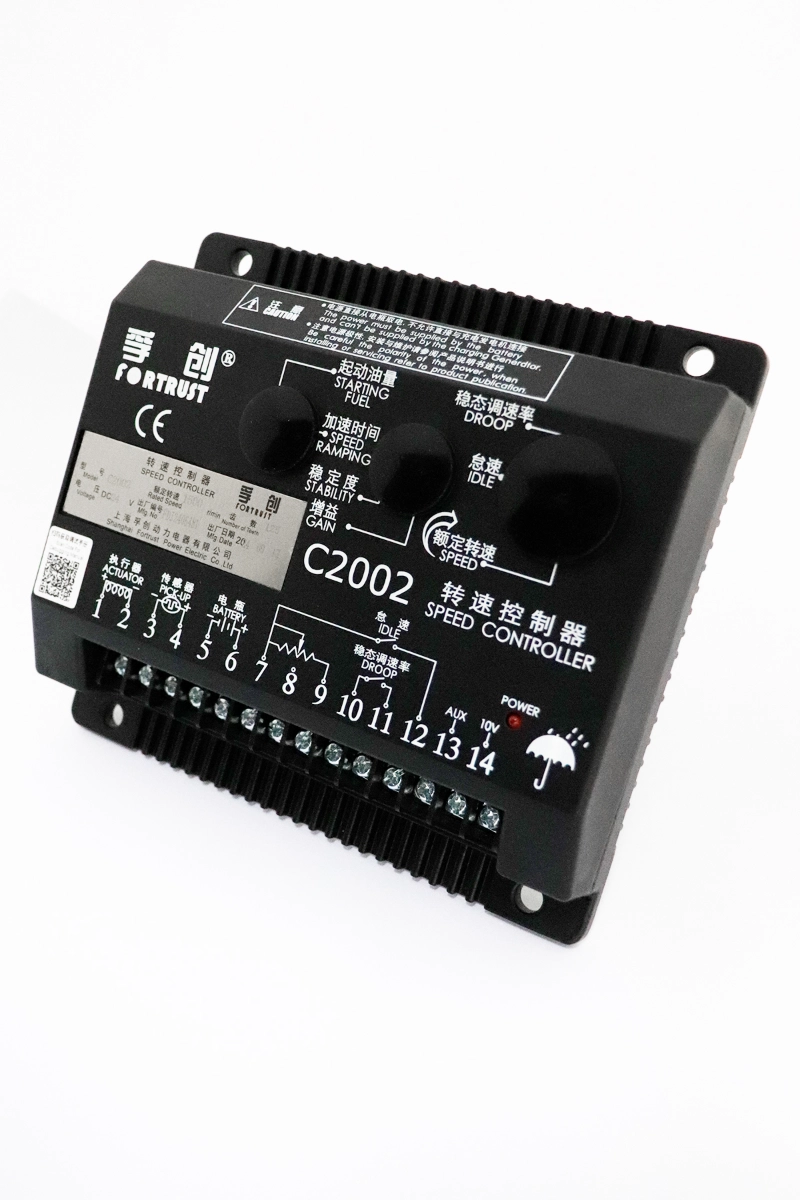
Before adjusting any settings, technicians should inspect the generator controller, electrical connections, sensors, communication interfaces, and associated control components. Loose connections, inaccurate feedback signals, or hardware deterioration can interfere with regulation and produce misleading operating data. Identifying these issues first helps prevent parameter adjustments from masking underlying faults.
Historical operating records provide another important source of information. Sensors and communication gateways can collect data on load fluctuations, voltage, current, frequency, and relevant control parameters, depending on the installed equipment. Reviewing this information helps engineers identify recurring deviations and understand how the generator responds under different conditions. A reliable initial assessment establishes a measurable baseline for evaluating subsequent adjustments.
A successful generator control adjustment begins with clearly defined operating requirements. Target values for voltage, current, and frequency should reflect the generator's rated capabilities, connected equipment requirements, applicable electrical standards, and operating conditions. These targets provide a reference for determining whether the control configuration delivers acceptable output during both steady operation and load changes.
Engineers should also establish appropriate operating limits and safety margins. Allowances for unexpected load changes and temporary disturbances help reduce the risk of unstable operation when conditions move beyond normal expectations. However, these margins must remain consistent with equipment specifications and protection requirements. Clearly defined generator control parameters make the tuning process more objective and provide a basis for verifying performance after each adjustment.
Generator performance can vary considerably between light, moderate, and heavy loads. Applying identical tuning settings without considering these differences may lead to delayed responses, excessive fluctuations, or inconsistent output. A segmented tuning approach allows engineers to evaluate control behavior under representative load conditions and make adjustments according to actual operating requirements.
Real-time monitoring is essential during this stage. By comparing measured output with target values, technicians can identify deviations and determine whether further adjustments are necessary. Changes should be introduced methodically, with sufficient observation after each adjustment to distinguish genuine improvement from temporary variation. Load-based generator control tuning supports a more balanced response to changing demand while helping maintain acceptable voltage and frequency regulation.
Fault detection helps prevent abnormal operating conditions from developing into more serious interruptions. Where supported by the installed equipment, alarm functions can identify deviations in voltage, current, frequency, and other monitored parameters. Alarm thresholds should be configured according to equipment requirements and operating limits so that significant abnormalities receive timely attention without generating excessive unnecessary notifications.
A structured feedback process further improves adjustment quality. Technicians should document detected faults, operating conditions, parameter changes, and the results of corrective actions. Feedback from maintenance personnel and control engineers can then be used to identify recurring problems and refine future tuning decisions. This combination of automatic detection and technical review makes generator control fault diagnosis more consistent and supports informed corrective action.
Parameter changes should always be evaluated against measurable operating results. Monitoring platforms can help operators observe generator behavior over time, compare actual values with target ranges, and identify deviations that may not be obvious during brief inspections. Remote access, where available, also allows authorized personnel to review operating information without being physically present at the equipment location.
Data analysis is most useful when measurements are consistent and interpreted in context. Engineers should consider load conditions, the duration of fluctuations, and the timing of control adjustments before deciding whether a change has improved performance. Real-time generator performance monitoring therefore serves both as a tuning tool and as a verification method, helping ensure that adjustments contribute to stable output rather than simply changing individual readings.
Generator control tuning is an ongoing maintenance activity rather than a one-time task. Changes in connected loads, operating schedules, equipment condition, and electrical requirements may affect the suitability of previous settings. Periodic inspections and performance tests help identify when the existing configuration needs further evaluation.
A documented review schedule makes this process easier to manage. Records should include test results, abnormal events, parameter modifications, and outstanding maintenance concerns. Engineers can use these findings to prioritize improvements and update control strategies when operating requirements change. Regular reviews help preserve long-term generator control stability while reducing the likelihood of repeated adjustments based on incomplete information.
The following table summarizes the main stages of a structured tuning process and their respective purposes.
| Tuning stage | Primary task | Intended outcome |
|---|---|---|
| Initial assessment | Inspect components and review operating data | Establish a reliable baseline |
| Target definition | Set output requirements and safety limits | Clarify performance objectives |
| Parameter adjustment | Tune under different load conditions | Improve regulation consistency |
| Fault detection | Configure alarms and review abnormalities | Support timely intervention |
| Performance verification | Compare monitored values with targets | Confirm adjustment results |
| Periodic review | Evaluate records and revise strategies | Sustain long-term stability |
Following these stages in sequence helps ensure that each adjustment is supported by evidence and evaluated against defined requirements. Fortrust emphasizes the importance of intelligent control, appropriate configuration, and ongoing performance evaluation in generator applications. By combining sound engineering practices with effective monitoring, operators can improve output consistency and support dependable power delivery across changing load conditions.
Adjustments may be necessary when load characteristics change, operating data reveals persistent deviations, or equipment maintenance affects control behavior. Regular evaluation helps ensure that settings remain suitable for current operating requirements.
Voltage, current, and frequency are key electrical measurements. Depending on the generator and controller, engineers may also review load changes, speed-related information, alarms, and other available operating data.
Different load conditions can produce different control responses. Evaluating multiple operating conditions helps engineers identify whether adjustments maintain acceptable output during both steady operation and changing demand.
Monitoring provides information about operating trends, parameter deviations, and fault conditions. This information supports more accurate adjustments and helps technicians verify whether corrective actions have improved performance.
Review frequency depends on operating conditions, manufacturer recommendations, maintenance schedules, and the consequences of performance deviations. Periodic testing and additional reviews after significant changes help maintain suitable control settings.
![[Uniting for a Shared Future: Shipbuilding and Marine Engineering] Fuchuang Power Hosts and Deeply Participates in the Establishment of the Harbin Engineering University Alumni Shipbuilding and Marine Engineering Industry Alliance in Nantong](/uploads/upload/20260316/2603161FPGF.webp)