

 中
中 英
英



How to Scientifically Adjust Generator Control Systems for Stable Power Supply
News and Exhibitions
2026.10.10


Generator performance depends on accurate monitoring of multiple operating conditions, and temperature control is one of the most critical factors affecting efficiency, safety, and service life. An electronic temperature sensor provides continuous temperature measurement by detecting thermal changes and converting them into electrical signals that can be analyzed by control units. This allows operators to understand equipment conditions and respond quickly when abnormal temperature changes occur.
For industrial power equipment, temperature variations often indicate changes in load conditions, cooling performance, lubrication status, or component stress. Without accurate temperature monitoring, excessive heat may reduce operational efficiency and accelerate component wear. By integrating a high-precision temperature detection solution, generator manufacturers and operators can improve equipment reliability while reducing unexpected downtime.
Fortrust Power focuses on developing reliable sensing and control components for power applications. Its electronic temperature sensor solutions are designed to support accurate temperature feedback, stable operation, and efficient communication between monitoring devices and generator control platforms.
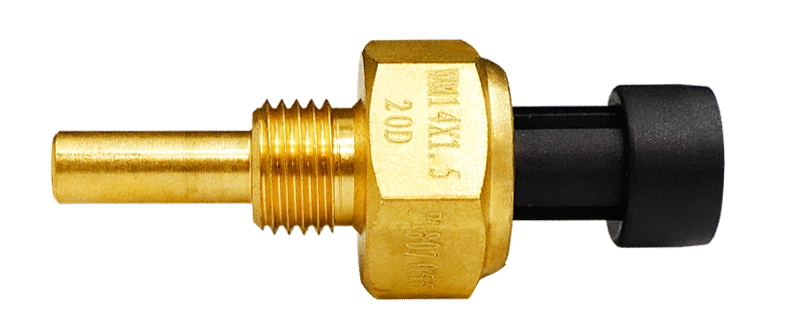
An electronic temperature sensor for generator monitoring works by measuring temperature changes in key areas and transmitting real-time signals to the control interface. Unlike traditional mechanical temperature measurement methods, electronic sensing technology provides faster response, improved accuracy, and better compatibility with intelligent control environments.
During generator operation, temperature information plays an essential role in maintaining balanced performance. The sensor continuously monitors thermal conditions and helps prevent issues caused by overheating, insufficient cooling, or abnormal operating loads. This creates a more effective protection process for engines and related power components.
The working process can generally be divided into several stages:
| Monitoring Process | Function |
|---|---|
| Temperature Detection | Captures temperature changes from the target area |
| Signal Conversion | Converts thermal information into electrical output |
| Data Transmission | Sends temperature signals to the control unit |
| Condition Response | Supports alarms, protection actions, and operational adjustments |
Through this process, an industrial electronic temperature sensor becomes an important connection between physical temperature changes and equipment management decisions.
Accuracy is one of the most important factors when selecting a temperature monitoring component. Generator equipment often operates under changing loads and demanding environments, requiring sensors that can maintain stable measurement performance over long periods.
A high accuracy electronic temperature sensor helps improve operational control by providing dependable temperature data. Precise measurement reduces the risk of incorrect responses caused by inaccurate readings and supports better equipment management.
The main advantages include:
Reliable temperature measurement allows operators to track important thermal conditions during generator operation. Continuous monitoring helps identify unusual temperature increases before they develop into more serious equipment problems.
Industrial power equipment may experience rapid temperature changes during startup, shutdown, or load variation. A responsive electronic sensing solution can capture these changes quickly and provide timely feedback for control decisions.
Generators are commonly installed in environments involving vibration, heat exposure, and continuous operation. A durable temperature sensing component needs to maintain consistent performance despite these challenging conditions.
Temperature data supports protective functions by helping control units recognize overheating risks. This contributes to safer operation and helps extend the working life of important generator components.
An electronic temperature sensor for engine monitoring is widely used in different power-related applications where accurate thermal information is required. Temperature monitoring is essential not only for generators but also for various industrial engines and energy equipment.
Common application areas include:
| Application Area | Temperature Monitoring Purpose |
|---|---|
| Diesel Generator Equipment | Monitoring engine operating temperature and preventing overheating |
| Industrial Power Units | Supporting stable operation under variable loads |
| Marine Power Equipment | Tracking thermal conditions in demanding environments |
| Backup Power Solutions | Maintaining reliable emergency power availability |
Fortrust Power provides sensing solutions suitable for professional power applications where accuracy, durability, and compatibility are important purchasing considerations.
For global generator manufacturers and equipment integrators, selecting the right sensing component affects overall product quality and customer satisfaction. A temperature sensor is not an isolated component but an important part of the complete monitoring and protection process.
A dependable generator temperature monitoring sensor should provide consistent output, strong environmental resistance, and easy integration with existing control structures. These characteristics help manufacturers create more reliable power equipment while meeting different application requirements.
Important selection factors include:
Measurement accuracy: Ensures temperature information reflects actual operating conditions.
Signal stability: Reduces fluctuations and improves monitoring reliability.
Environmental adaptability: Supports operation under vibration, heat, and industrial conditions.
Integration capability: Allows smooth connection with generator control solutions.
Long-term durability: Helps reduce maintenance frequency and replacement costs.
By considering these factors, buyers can choose temperature monitoring components that provide long-term value instead of focusing only on initial purchasing costs.
Manufacturing quality plays an important role in sensor reliability. An electronic temperature sensor must maintain consistent performance through material selection, production control, and quality inspection processes.
Fortrust Power applies professional manufacturing experience to provide sensor and control components for international power equipment markets. The company focuses on product consistency, technical reliability, and application adaptability to meet the needs of different customers.
A qualified temperature sensor manufacturer should have strong capabilities in:
Sensor design and development
Manufacturing process management
Quality inspection procedures
Customized product support
Industrial application understanding
These capabilities allow suppliers to support OEM customers who require dependable components for generator equipment production and system integration.
The performance of an engine temperature sensor depends on multiple factors, including installation conditions, operating environment, and application requirements. Understanding these factors helps users achieve better monitoring results.
Temperature sensors used in generators may experience vibration, temperature fluctuation, and exposure to industrial conditions. Proper design and material selection are necessary to maintain stable measurement performance.
The sensor installation location directly affects measurement accuracy. A suitable position allows the sensor to capture representative temperature changes and provide meaningful feedback.
Different generator control applications may require different signal communication methods. Ensuring compatibility between the sensor output and the control interface improves overall monitoring efficiency.
Although electronic sensing components are designed for long service life, regular inspection helps maintain reliable operation. Checking connections, installation conditions, and signal performance can prevent potential issues.
As power equipment continues to demand higher efficiency and reliability, temperature monitoring technology is becoming increasingly important. Accurate thermal information helps equipment operators improve performance management and reduce unnecessary energy losses.
Future generator applications will place greater emphasis on precise sensing, faster data communication, and improved equipment protection. The role of the electronic temperature sensor supplier will continue expanding as manufacturers seek components that support higher reliability standards.
For industrial customers, selecting a professional sensing partner means gaining access to stable products, technical support, and solutions designed for long-term operational requirements.
Choosing an appropriate supplier requires evaluation beyond product availability. Industrial buyers should consider technical capability, manufacturing experience, quality management, and customization support.
A reliable supplier should be able to provide:
Professional understanding of generator applications
Stable manufacturing capability
Consistent product quality
Technical communication support
Flexible OEM cooperation options
Fortrust Power combines sensing technology expertise with power equipment application experience, helping customers develop reliable temperature monitoring solutions for various industrial requirements.
An electronic temperature sensor measures temperature changes and converts them into electrical signals for monitoring and control purposes. In generator applications, it helps track operating conditions and supports equipment protection.
Temperature monitoring helps prevent overheating, improves operational safety, and allows control units to respond to abnormal conditions before serious failures occur.
A high accuracy temperature sensor provides more precise temperature data, faster response, and better stability, which helps improve generator management and reliability.
They are commonly used in generator engines, industrial power equipment, marine applications, and other machinery where accurate temperature monitoring is required.
Buyers should evaluate technical expertise, manufacturing capability, product consistency, application experience, and support services when selecting a supplier.
Fortrust Power provides professional sensing and control components designed for power applications, focusing on reliable performance, accurate monitoring, and long-term cooperation with global customers.