

 中
中 英
英



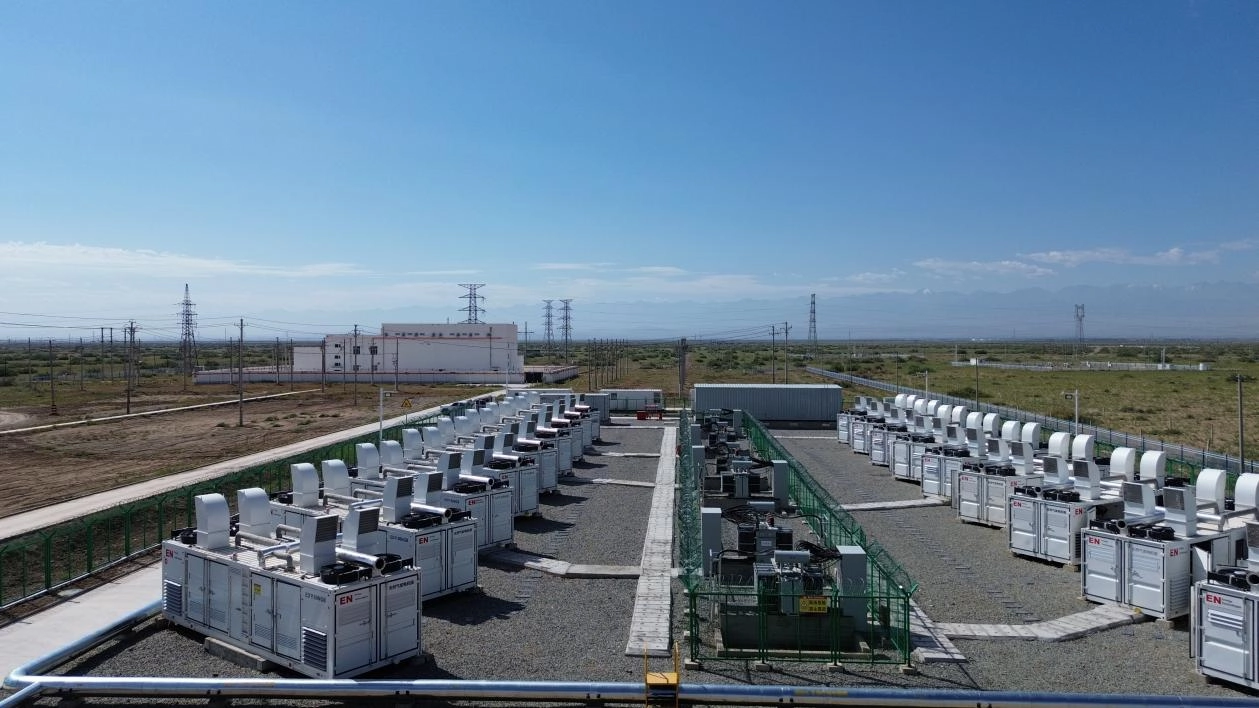
19.8MW Oil Associated Gas Power Generation Project – Overall Solution & Service Introduction
News and Exhibitions
2026.09.01


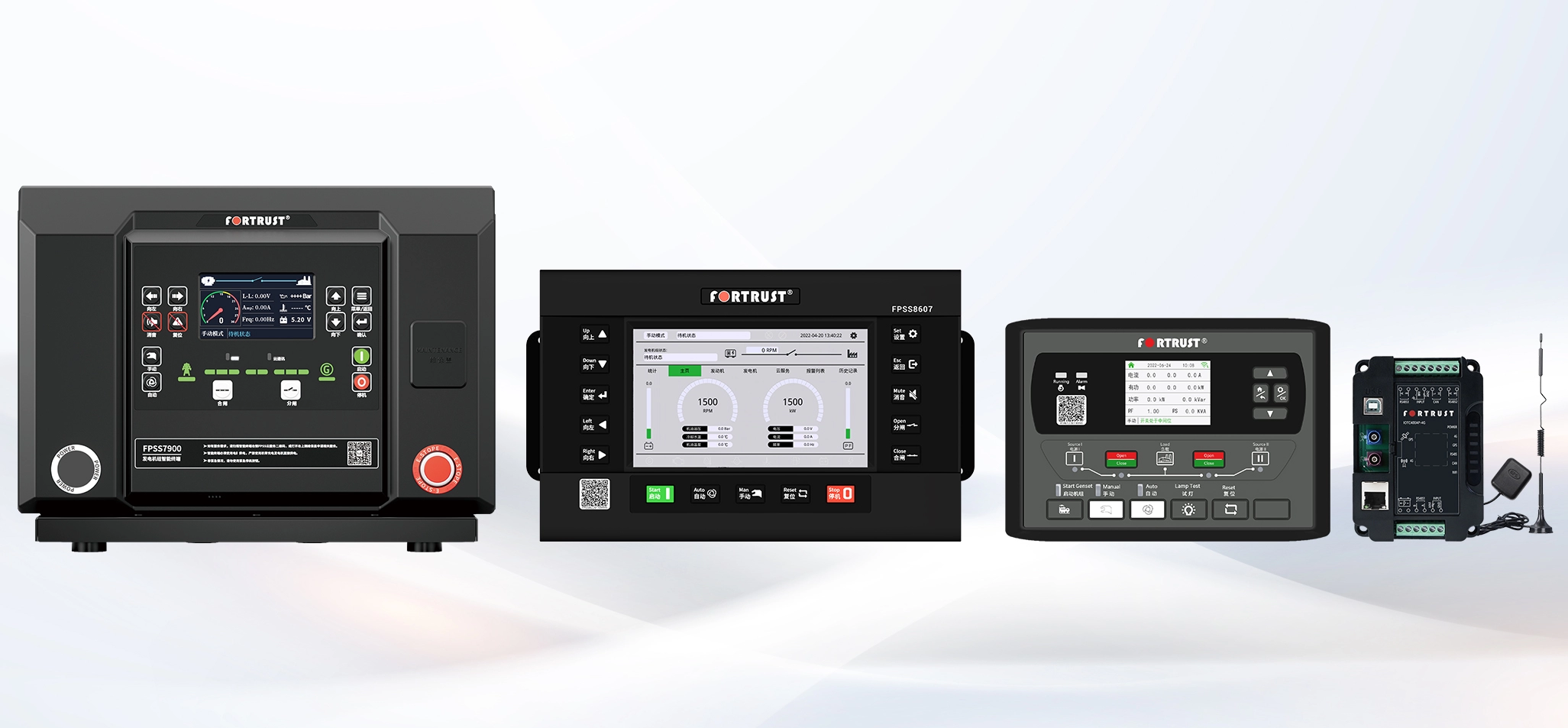
In today’s distributed energy environment, operational visibility has become a critical requirement for reliable power management. A generator set controller is no longer limited to local start-stop logic or basic engine protection. It now plays a central role in enabling remote monitoring, data acquisition, and cloud-based asset supervision across industrial, marine, and standby power applications.
For operators managing multiple generator sets across different sites, real-time access to performance data improves decision-making speed and reduces dependency on manual inspections. With evolving digital infrastructure, controller-level connectivity has become a key factor in overall power system efficiency and maintenance strategy.
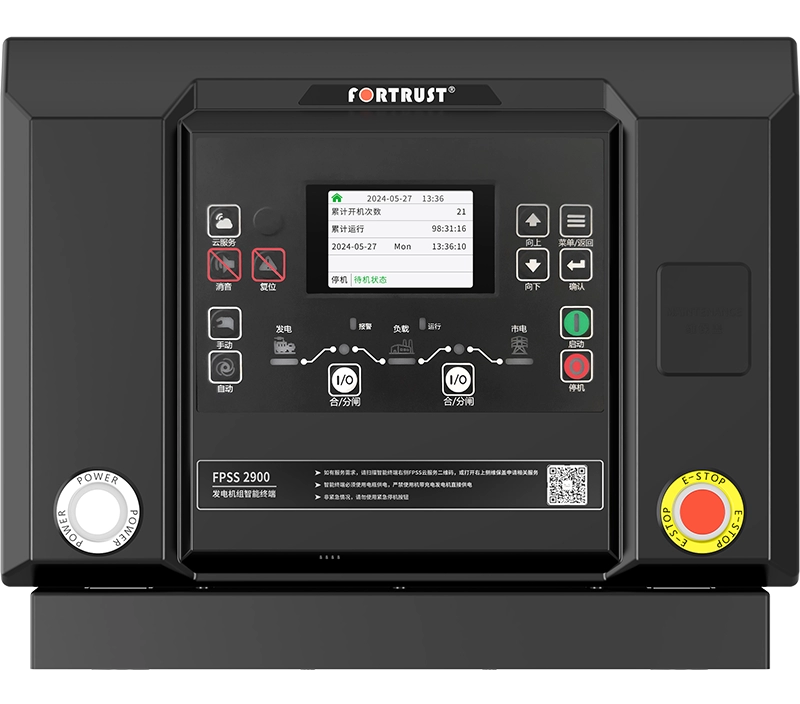
A modern generator set controller functions as a communication hub between the engine, sensors, actuators, and external monitoring platforms. It continuously collects operational signals such as voltage, frequency, current load, engine temperature, oil pressure, and fuel status. These parameters are transmitted to remote platforms for centralized analysis and supervision.
This structure supports multi-site power assets where centralized monitoring is essential. Instead of isolated operation, each generator becomes part of a connected network, allowing operators to track performance trends and detect anomalies before failures occur.
Cloud integration expands the role of the controller beyond local equipment management. Through secure data transmission, a generator set controller with cloud monitoring capability enables real-time visibility from remote control centers. This is particularly important for industries operating backup power systems across geographically dispersed locations.
The cloud layer also enables historical data storage, fault event tracking, and long-term performance analysis. By comparing operational patterns over time, maintenance teams can better understand equipment behavior and improve service planning without relying solely on on-site inspections.
The performance of a remote monitoring architecture depends on how effectively the generator controller handles communication. Industrial-grade controllers typically support multiple protocols to ensure compatibility with different monitoring platforms and energy management systems.
| Communication Layer | Function Description |
|---|---|
| Engine Interface | Collects real-time engine performance signals |
| Local Control Layer | Executes protection and control logic |
| Communication Module | Transfers data to remote platforms |
| Cloud Platform | Stores, visualizes, and analyzes operational data |
This layered structure ensures that data flows consistently from the equipment level to the supervisory level, improving transparency and operational control.
A connected generator set controller provides more than visibility. It directly influences maintenance strategy, operational safety, and lifecycle cost control. Remote alarm notifications allow faster response to abnormal conditions, while continuous data logging reduces uncertainty during troubleshooting.
Another important advantage is reduced operational disruption. Maintenance teams can evaluate equipment conditions before visiting the site, ensuring that interventions are targeted and efficient. This minimizes unnecessary downtime and improves service resource allocation.
When selecting a controller for remote monitoring applications, several engineering factors determine long-term reliability. Communication stability, electromagnetic compatibility, firmware robustness, and data integrity are critical for continuous operation in harsh environments.
In addition, integration flexibility with sensors, engine governors, battery chargers, and power control equipment ensures the controller can operate within complex electrical architectures. This is especially important in marine systems and industrial backup power installations where operational continuity is essential.
| Function Area | Operational Impact |
|---|---|
| Real-Time Monitoring | Immediate visibility of generator status |
| Fault Alarm System | Early warning and faster response |
| Data Logging | Long-term performance tracking |
| Remote Access | Reduced need for on-site inspection |
| Multi-Device Management | Centralized fleet control |
These functions collectively define the efficiency of a cloud-connected generator control environment.
Fortrust Power specializes in electrical control products, generator controllers, marine control systems, and intelligent monitoring technologies. With decades of experience in power generation control development, the company provides integrated solutions combining hardware reliability with communication flexibility.
Its controller platforms are designed for industrial generators, marine propulsion systems, and distributed energy applications, supporting both standalone and networked operational environments. By focusing on control accuracy and data connectivity, Fortrust Power helps operators achieve higher equipment reliability and improved operational transparency.
As power infrastructure becomes increasingly distributed, the generator set controller is evolving into a core node within energy information networks. Its ability to bridge physical equipment and digital monitoring platforms makes it essential for modern energy management strategies.
Future development will continue to focus on higher communication speed, improved diagnostic intelligence, and deeper integration with energy optimization platforms, enabling more efficient and coordinated power generation across industries.
It collects real-time engine and electrical data, manages protection functions, and transmits operational information to cloud platforms for remote supervision.
Cloud connectivity enables centralized monitoring, historical data analysis, fault tracking, and remote access to multiple generator sets across different locations.
Common parameters include voltage, current, frequency, engine temperature, oil pressure, fuel level, load conditions, and alarm events.
Strong communication capability ensures reliable data transmission between generator equipment and monitoring platforms, supporting efficient maintenance and control.
Industries such as marine, telecommunications, data centers, utilities, construction, and industrial manufacturing benefit significantly from remote monitoring systems.
Fortrust Power provides integrated generator controllers, electrical control products, and monitoring solutions designed for industrial, marine, and energy applications with strong engineering and manufacturing capability.